


Global context
From a global perspective, the specifics of MVP’s may vary depending on the healthcare system and cultural context of each country, the overarching goal remains the same – to ensure that women and their families have a voice in decisions regarding their maternity care.
For instance, in Canada, the “Better Outcomes Registry & Network” (BORN) collects data from women and families about their maternity care experiences, allowing healthcare providers and policymakers to identify areas for improvement and tailor services to meet the needs and preferences of women and families. This feedback loop not only informs the enhancement of individual care but also shapes broader policy decisions to ensure effective and woman-centred maternity services.
These partnerships aim to give service users a meaningful voice in shaping policies, practices, and service delivery, ensuring that care is person-centred, safe, and culturally sensitive.
Key characteristics of maternity voice partnerships from a global perspective include:
Concerns and consequences
Despite efforts to involve women and families in care design and delivery, concerns about the quality of maternity services persist across different countries, revealing various challenges that need to be addressed.
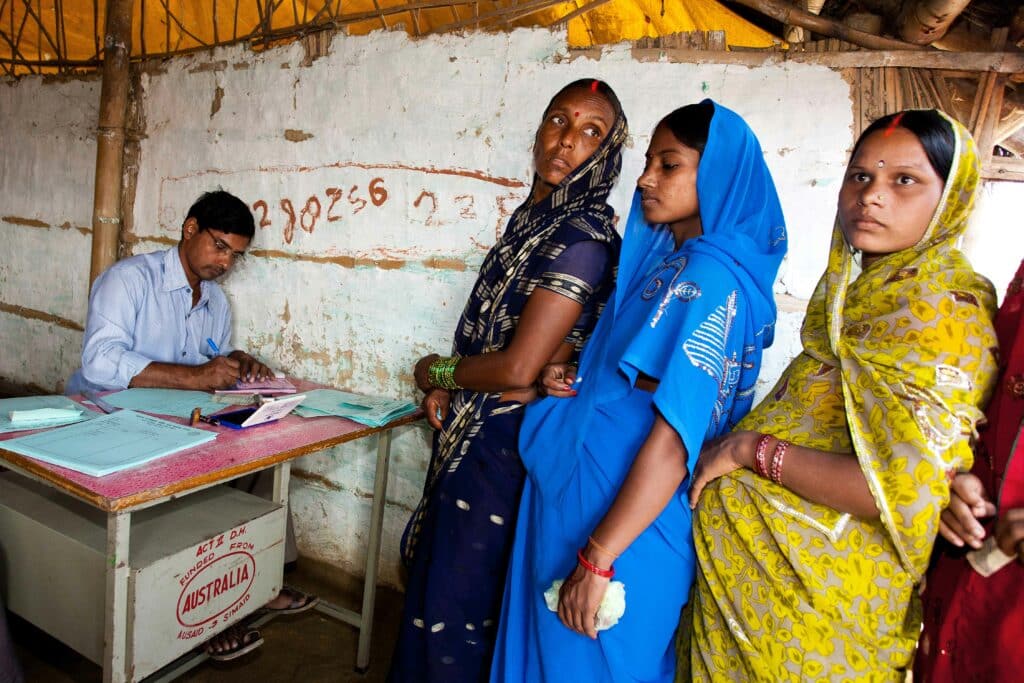
In some regions, particularly in low-resource settings, access to basic maternal healthcare remains limited, leading to higher maternal and infant mortality rates. In areas of India for example, women have less involvement in service delivery and design. Organisations such as The White Ribbon Alliance engage communities to improve services, these campaigns garner political support and bring nationwide attention towards critical issues surrounding safe motherhood (White Ribbon Alliance, 2023).
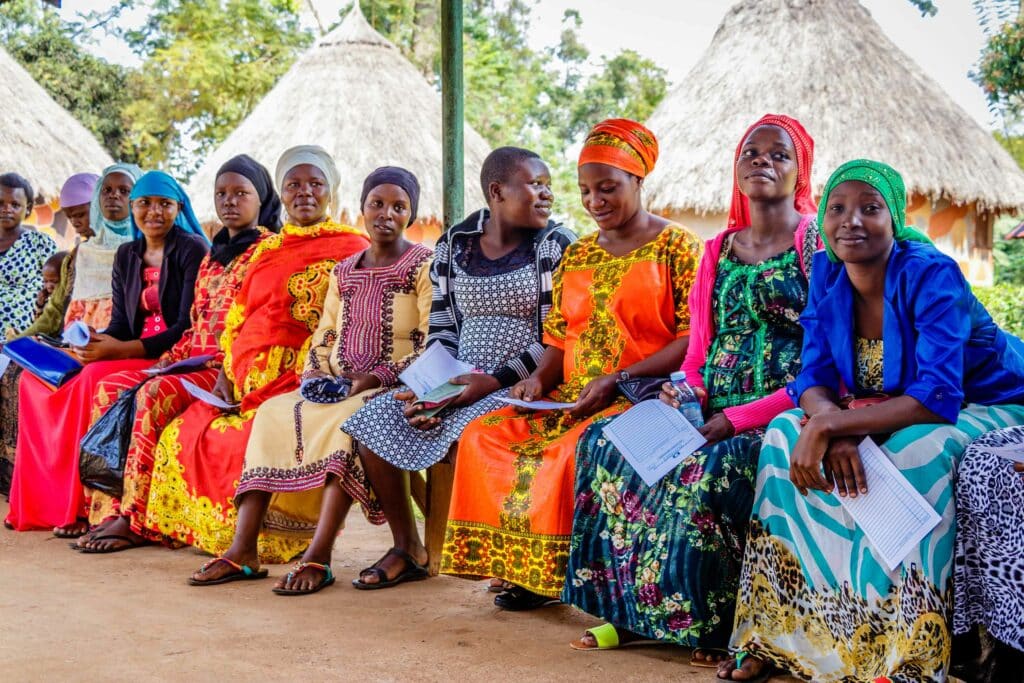
In sub-Saharan Africa, women encounter challenges in accessing healthcare services due to factors such as complex billing systems, limited access to skilled birth attendants, and emergency obstetric care. Kyei-Nimakoh et al. (2017) suggest it is imperative to develop innovative policies that prioritise the voices of women. By incorporating critical aspects of accessibility, availability, affordability, and acceptability of obstetric care essential viewpoints and concerns are not marginalised or overlooked.
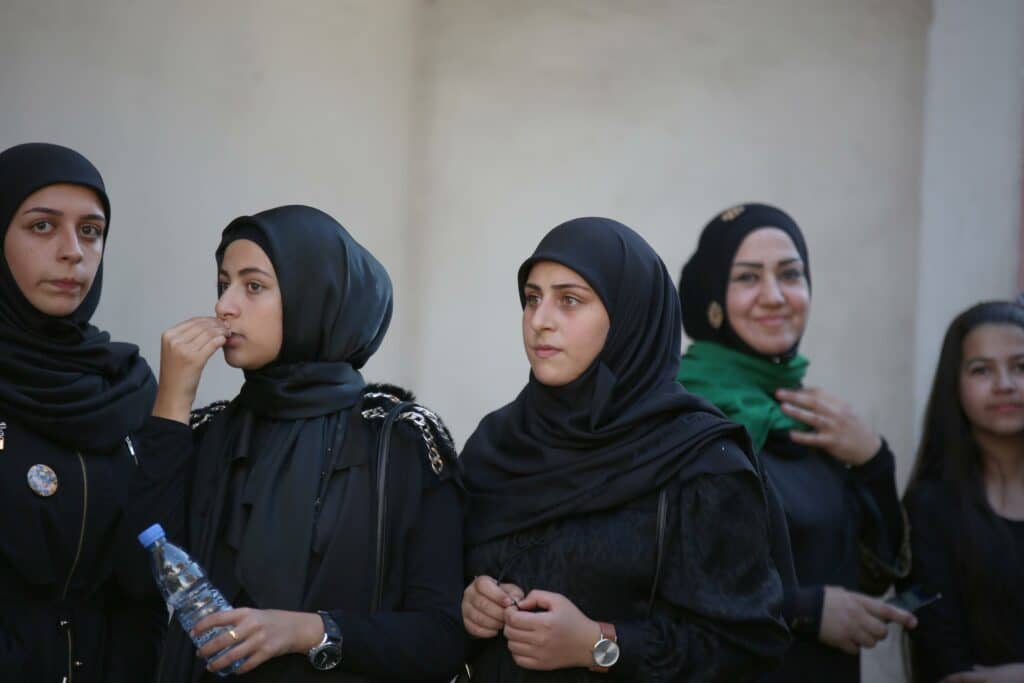
In other regions, such as parts of South Asia and the Middle East, cultural norms, societal expectations and gender barriers hinder women’s active involvement in decision-making during pregnancy and childbirth, limiting their ability to voice preferences and concerns (UNFPA, 2021).
In high-income countries, such as the UK and USA, issues of medicalisation, overmedicalisation, and unnecessary interventions during childbirth have raised concern among researchers, service users and advocacy groups, highlighting the need for greater accountability and care responsive to women’s wishes and needs (Miller et al, 2016; AIMS, 2011; Birthrights, 2023). In Sweden and the Netherlands, maternity voice partnerships have been successful in addressing concerns related to the medicalisation of childbirth, leading to more personalised and woman-centred care (Cellissen et al., 2022).

Maternity voice partnerships can help tackle these challenges by encouraging active engagement, fostering open communication, and shared decision-making between healthcare providers and service users. Creating a global healthcare environment that values and incorporates the perspectives of women and families into maternity service planning leads to safer, more equitable, and woman-centred care worldwide.