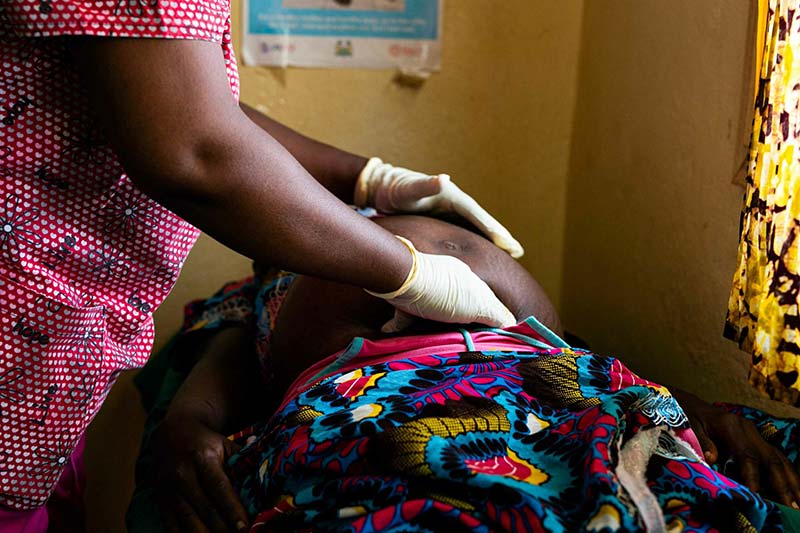
Defining the importance of working with the evidence and guidelines for labour, birth and the postnatal period

Neesha March 15, 2024
Introduction
World Health Organisation Recommendations for Intrapartum Care for a Positive Childbirth Experience and Recommendations on Maternal and Newborn Care for a Positive Postnatal Experience, were developed to address and meet the targets of the United Nations Sustainable Development Goals (2015) and the new Global Strategy for Women’s, Children’s and Adolescents’ Health (2016). There is emphasis on global agendas to ensure that counties are expanding their focus to ensure that women and their babies not only survive labour complications but also that they thrive and reach their full potential for health and life.
The recommendations presented in both these World Health Organisations guidelines, are neither country nor region specific and acknowledge the variations that exist globally as to the level of available health services within and between countries. The guidelines highlight the importance of woman-centred care to create a positive experience of labour, birth and postnatal care for women and their babies through a holistic and human rights-based approach.
Intrapartum care for a positive experience
The World Health Organisation Recommendations for Intrapartum Care for a Positive Childbirth Experience and Recommendations on Maternal and Newborn Care for a Positive Postnatal Experience aim to improve the quality of essential intrapartum care and postnatal care for women, their babies, their families and communities around the world. The guidelines offer recommendations with the ultimate goal of improving maternal, fetal and newborn outcomes. The recommended practices need to be deliverable within an appropriate model of intrapartum and postnatal care that can be adapted to different countries, local contexts and the individual woman (WHO, 2018; WHO, 2022).
The intrapartum guidelines offers the recommendations of the urgent need to improve the quality of care around labour and childbirth in all settings. Acknowledging the substantial variations that exist in the provision of labour and childbirth care across the world, and the fact that clinical outcomes and experience of care for the woman and her baby are largely determined by the models of care available to women is particular setting, a key shift is required in the practical ways that intrapartum care is delivered globally.
This key shift should be informed by the importance of achieving the best possible physical, emotional and psychological outcomes for the woman and her baby, irrespective of the policies that may exist within and across health systems and countries (WHO, 2018). Women and newborns require support and careful monitoring in the period after birth. The days and weeks following childbirth, the postnatal period, is a critical phase in the lives of mothers and newborn babies when the majority of maternal and infant deaths occur.
Postnatal care for a positive experience
Most maternal and infant deaths occur during the first six weeks after birth, yet this remains the most neglected time in the provision of quality care (WHO, 2022). The timing, number, place of postnatal contacts, and content of postnatal care for all mothers and babies during the six weeks after birth is essential, including the assessment of mothers and newborns to detect problems or offer essential holistic care and support to women and their babies.
Postnatal care services are a fundamental part of the continuum of maternal, newborn and child care, and key to achieving the Sustainable Development Goals (2015) on reproductive, maternal and child health, including targets to reduce maternal mortality rates and end preventable deaths of newborns. In accordance with a human rights-based approach, intrapartum and postnatal care efforts must expand beyond coverage and survival alone to include quality of care.
Basic care for all women and their newborns should include promoting and supporting early and exclusive breastfeeding if possible, keeping the baby warm, increasing hand washing and providing hygienic umbilical cord and skin care. Identifying conditions requiring additional care, and counselling on when to take a newborn to a health facility is critical. Families should be educated and supported to recognise signs of ill health that require referral, understanding the care that both the woman and newborn need, and where to reach services when needed.