


Place of birth and environments
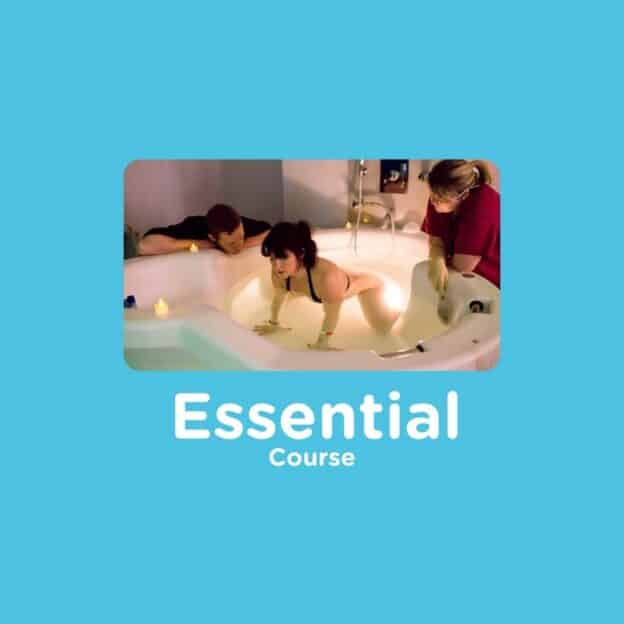
All women have a choice about where they choose to birth. The environment in which a woman labours and gives birth can have a dramatic effect on the physical and psychological outcomes for mother and baby (Nilsson 2014; Nilsson et al., 2020). The space that is used by birthing women can support the body’s natural ability to release the necessary hormones that create the dance of labour (Buckley 2009), or suppress it. Last updated 2023.

Introduction
All women have a choice about where they choose to birth. The environment in which a woman labours and gives birth can have a dramatic effect on the physical and psychological outcomes for mother and baby (Nilsson 2014; Nilsson et al., 2020). The space that is used by birthing women can support the body’s natural ability to release the necessary hormones that create the dance of labour (Buckley 2009), or suppress it. Last updated 2023.
Learning aims and objectives
This module aims to enhance understanding of choice of place of birth, the hormones of labour, and the importance of the birth environment. It offers knowledge of how to maximise the space for women to give birth in and begin their journey as a mother.
– Recognise the impact of place of birth on women’s birth experience, maternal and neonatal outcomes
– Understand the basic hormonal components of physiological birth
– Recognise and consider environments and care provision that maximise physiological hormonal responses
– Reflect on the presence of these elements in your own place of work, and how to utilise them
– Consider your skills and the impact that this learning may have on your own practice
Keywords
place of birth, physiology, birth environment, oxytocin, childbirth, normal birth, attachment and bonding, skin-to-skin, breastfeeding, perinatal mental health, infant brain development, epigenetics
Curriculum quality standards
ICM Category 3; Care during labour and birth
Place of birth, Physiology, birth environment, oxytocin, childbirth, normal birth, attachment and bonding, skin-to-skin, breastfeeding, perinatal mental health, infant brain development, epigenetics
Course Content
About Instructor

 +2224
enrolled
Course Includes
- 10 Lessons
- 1 Quiz
- Course Certificate
Ratings and Reviews


Responses