


Supporting skin-to-skin contact and close and loving family relationships
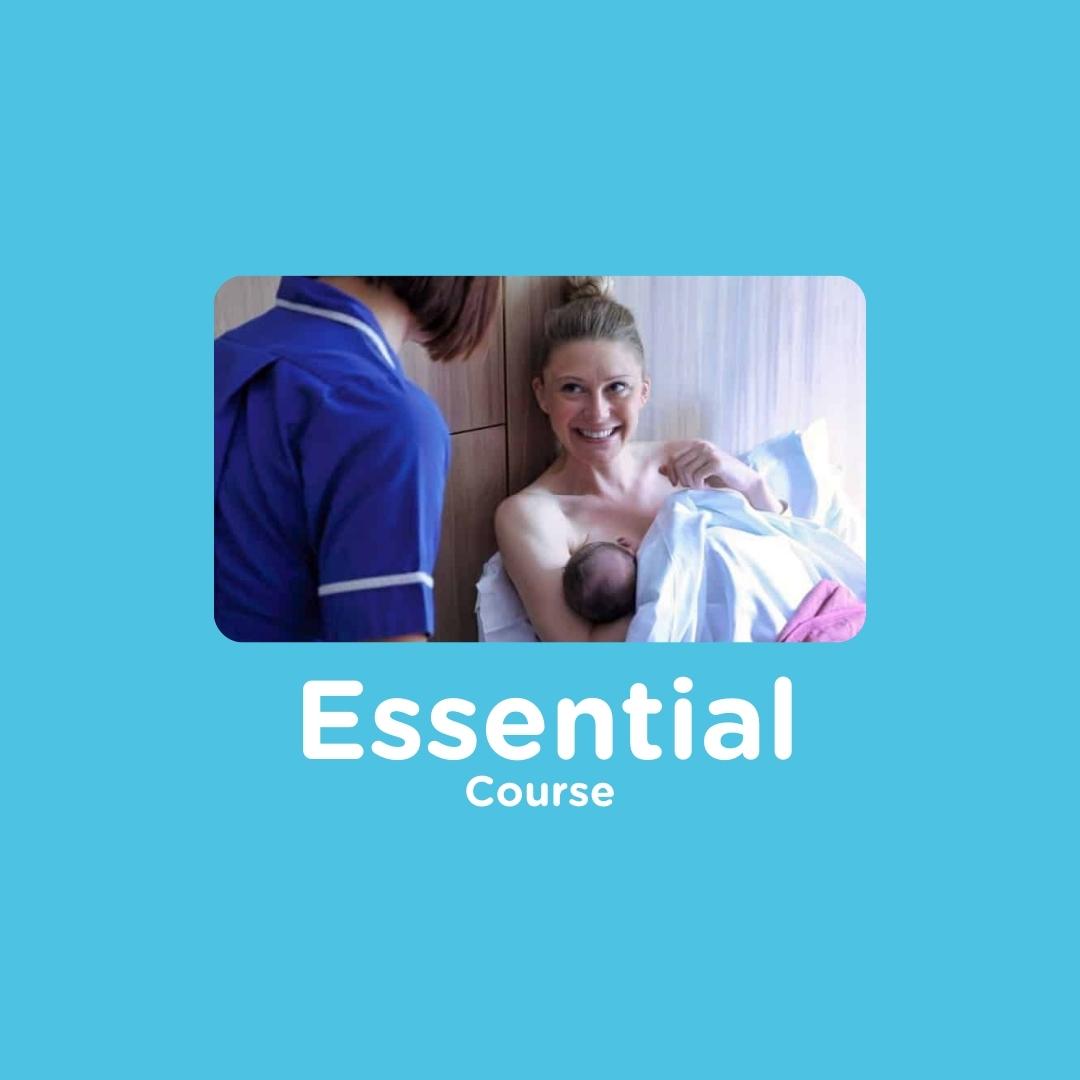
In this course you will develop knowledge about the importance and benefits of skin-to-skin contact for the newborn, parents and families as part of building close and loving relationships. This course will cover various birth scenarios and clinical practice considerations, including preparation during pregnancy and support following different types of births. The content will also explore the links between skin-to-skin contact, optimal breastfeeding and infant feeding, parent-infant attachment, and ongoing benefits for both mother, parents and newborn. Last updated 2023.

Introduction
In this course you will develop knowledge about the importance and benefits of skin-to-skin contact for the newborn, parents and families as part of building close and loving relationships. The course will cover various birth scenarios and clinical practice considerations, including preparation during pregnancy and support following different types of births. The content will also explore the links between skin-to-skin contact, optimal breastfeeding and infant feeding, parent-infant attachment, and ongoing benefits for both mother, parents and newborn. Last updated 2023.
Learning aims and objectives
To strengthen support for all newborns and families in the transition to life, breastfeeding, and healthy infant-parent attachments.
By the end of this course, you will be able to:
– Define skin-to-skin contact and its importance in newborn care
– Summarise global and national contexts related to skin-to-skin contact, with reference to the World Health Organization (WHO) and key academic, regulatory, and professional bodies
– Evaluate the evidence and research overview supporting the benefits of skin-to-skin contact, critically analysing relevant studies and sources
– Discuss clinical practice considerations for facilitating skin-to-skin contact, including preparation in pregnancy and support following various birth scenarios (vaginal birth, birth with C-section, birth with instruments, home birth, and hospital-based birth)
– Analyse the links between skin-to-skin contact, effective breastfeeding, and parent-infant attachment
– Outline the ongoing benefits of skin-to-skin contact for both mother and baby
– Explain the roles of midwives and the maternity care team in promoting and supporting skin-to-skin contact and outline key practice recommendations and guidelines for optimal care and practice
Keywords
skin-to-skin, neonatal, newborn, parent-infant attachment, development, perinatal care, breastfeeding
Curriculum quality standards
ICM Category 3 and 4
Lancet series; evidence-informed framework for quality maternal and newborn care: universal care promotion of normal processes; prevention of complications, health promotion.
Course Content
About Instructor

 +2224
enrolled
Course Includes
- 10 Lessons
- 1 Quiz
- Course Certificate
Ratings and Reviews


Responses